

The Real Question: When Does Each Option Make Sense?
Here’s the thing — there’s no one-size-fits-all answer. Your commute is unique. The monthly pass might look cheaper at first glance, but it’s not always the best choice. We’ll walk through the actual numbers so you can see exactly where the breakeven point sits for your situation.
The monthly pass costs $570 and gives unlimited travel. Octopus charges per journey. Sounds simple, but it gets more complex when you factor in occasional trips, days off, and different route combinations. Most people don’t realize they’re overpaying by 20-30% because they chose the wrong option.
Monthly Pass Cost
Per Journey (Octopus)
Breakeven Journeys
How the Monthly Pass Actually Works
The MTR Monthly Pass isn’t a physical card — it’s a registered benefit on your Octopus. You pay $570 once, and you get unlimited MTR travel for 30 days starting from the day you activate it. Sounds perfect if you’re commuting every single day, right?
But here’s where it gets tricky. That pass covers MTR only. Buses, minibuses, and ferries? Separate. If your commute mixes MTR with a bus section, you’ll need to pay for the bus portion from your stored value balance. So the pass isn’t as all-in as it seems.
The key detail: The 30-day period resets from activation, not from a calendar month. Activate on the 15th? Your pass runs until the 15th next month. This matters for your budget planning.
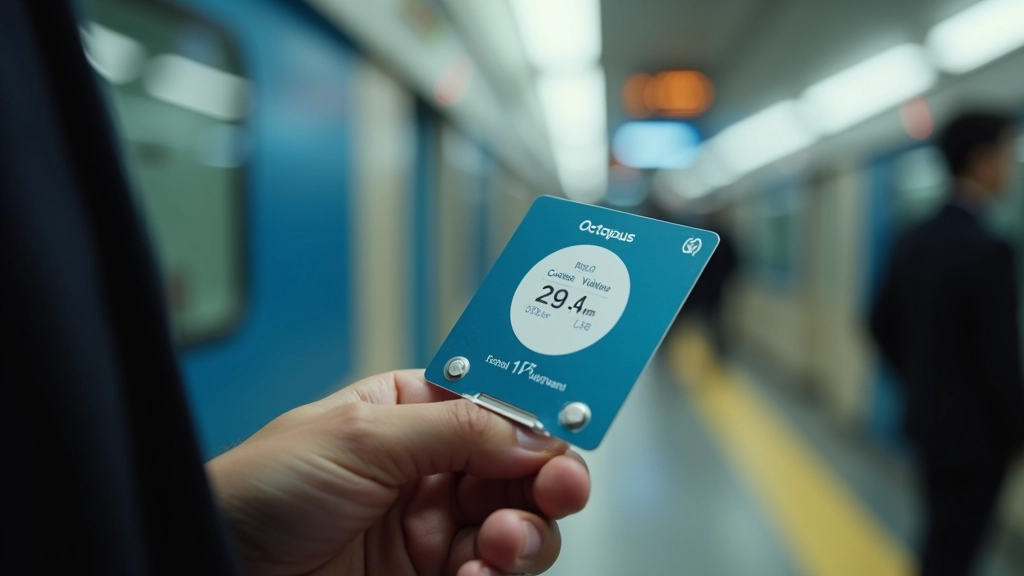

The Octopus Strategy: Pay As You Go
With a stored-value Octopus, you’re paying per journey. Most commuters pay between $3.60 and $8.80 per single trip, depending on distance. If you’re commuting from one end of the island to the other, you’ll hit the higher end. Short local hops? Closer to $3.60.
The advantage here is flexibility. You don’t pay for days you don’t use the system. If you’re working from home two days a week, that’s 40 fewer journeys per month. With Octopus, you don’t pay. With the monthly pass? You’ve already spent $570 whether you use it or not.
Plus, there’s a discount system. Travel past 10 journeys per day, and you get a rebate on additional journeys. It’s modest — usually 10% off — but it adds up if you’re making multiple trips daily.
Finding Your Breakeven Point: The Numbers That Matter
Scenario 1: Standard Commute (5 days/week)
Two MTR journeys daily = 10 journeys per week. Over 4 weeks, that’s roughly 40 journeys. At $5.50 average per journey, you’re spending around $220. The monthly pass at $570 doesn’t make financial sense here. Octopus wins by $350 per month.
Scenario 2: Frequent Traveler (6-7 days/week)
Three journeys daily = 18-21 journeys per week. Monthly total around 72-84 journeys. Cost: $396-$462 on Octopus. The monthly pass starts looking attractive here, but you’re still in the gray zone. A $100-150 difference isn’t huge.
Scenario 3: Heavy Daily Use (8+ journeys/day)
Multiple daily commutes plus evening trips. You’re easily hitting 160+ journeys monthly. Octopus would cost $880+. The monthly pass at $570 saves you $300 or more. This is where the pass becomes genuinely worthwhile.
Quick calculation formula:
Count your average daily MTR journeys multiply by 22 (weekdays) or 28 (if you travel weekends) multiply by average fare ($5.50) compare to $570. If the result is under $470, stick with Octopus.
When You Mix MTR with Bus or Minibus Routes
Most Hong Kong commuters don’t take pure MTR routes. You’ll likely take the MTR for the main journey, then hop on a bus or minibus for the last mile. This is where the monthly pass strategy falls apart.
The monthly pass covers MTR only. Bus fares are separate and cheaper — usually $2-$3 per journey. If your commute is 70% MTR and 30% bus, you can’t use the pass for the bus portion. You’re still maintaining an Octopus balance for those bus fares, so you’re managing two payment systems anyway.
In these mixed scenarios, pure Octopus often wins. You pay for what you use across all modes. No wasted budget on unused MTR benefits. The administrative simplicity of one card, one balance, is worth the modest cost difference.

Other Factors That Tip the Scale
Work Schedule Variability
Work from home some days? Take unpaid leave regularly? Octopus rewards flexibility. You don’t pay for days you don’t commute. The monthly pass penalizes this pattern.
Route Changes
Changing jobs or moving house mid-month? With Octopus, your costs adjust immediately. The monthly pass locks you in for 30 days regardless of your actual usage pattern.
Cashback and Promotions
Banks sometimes offer cashback on Octopus top-ups (typically 1-2%). The monthly pass doesn’t benefit from these promotions. Over a year, that’s an extra $60-120 back in your pocket.
MTR Fare Increases
MTR fares increase every couple of years. The monthly pass price rises accordingly. Octopus is more resilient to price shock since you’re paying incrementally.
The Honest Verdict: Which Should You Choose?
Choose the monthly pass if you’re genuinely commuting 8+ MTR journeys per day, every single day. That’s roughly 160+ journeys per month. The pass saves you real money in this scenario — often $300+ monthly.
Choose Octopus if your commute is below 140 journeys monthly, your route mixes MTR with other transport modes, or your schedule varies. You’ll save money and gain flexibility. Most Hong Kong commuters fall into this category.
Important Note
This comparison covers MTR fares only. If you’re eligible for the government Public Transport Fare Subsidy Scheme, that calculation changes significantly — you’ll get a rebate on Octopus journeys that could shift the economics further toward pay-as-you-go. Check your eligibility separately.
The real power move? Calculate your actual journeys for the last three months. Look at your Octopus history if you have one. Plug those numbers into the formula above. You’ll know your answer immediately, based on your actual behavior, not assumptions. That’s how you make the right choice for your situation.